
When to See a Doctor for Sciatic Nerve Pain
Sciatica pain can be frustrating, especially when you have already tried stretches, walking, heat, ice, or at-home sciatica exercises and the pain keeps coming back.
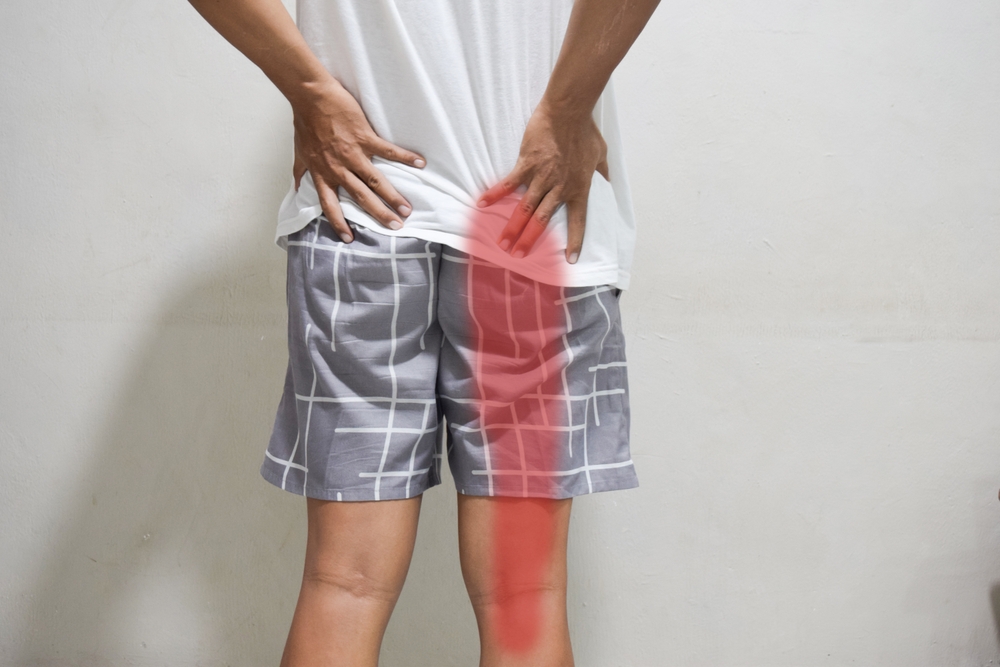
For some people, sciatic nerve pain improves with conservative care. But for others, the pain may continue because the source of nerve irritation has not been fully addressed. If pain travels from your lower back into your buttock, hip, or leg, or if symptoms are affecting your sleep, work, driving, or daily routine, it may be time to get a professional evaluation.
At Nexus Pain Center, we help patients throughout Georgia better understand persistent sciatic nerve pain and explore nonsurgical treatment options based on their symptoms, diagnosis, and goals.
Why Sciatica Exercises May Not Fully Relieve the Pain
Exercises and stretches can be helpful for some people with sciatica. Gentle movement may reduce stiffness, support mobility, and help relieve pressure in certain cases. However, sciatica is not always caused by tight muscles alone.
Sciatica refers to pain that occurs when the sciatic nerve or related nerve roots become irritated or compressed. This irritation may be linked to several underlying issues, including:
- A herniated or bulging disc
- Spinal inflammation
- Degenerative disc changes
- Spinal stenosis
- Arthritis-related changes in the spine
- Muscle irritation or imbalance
- Injury or repetitive strain
Because the cause can vary, the same exercise routine will not work for everyone. In some cases, certain movements may even make symptoms worse, especially if they increase pressure on an already irritated nerve.
That does not mean exercises are not useful. It means ongoing sciatic nerve pain may need a more complete evaluation to identify what is causing the symptoms and what treatment approach may be most appropriate.
Signs It May Be Time to See a Doctor for Sciatica
Mild sciatic nerve pain may improve with rest, movement changes, and conservative care. But if symptoms continue, worsen, or repeatedly return, it may be time to speak with a pain management specialist.
You may want to consider scheduling an evaluation if you have:
- Pain that lasts longer than a few weeks
- Pain that travels from the lower back into the buttock, hip, thigh, calf, or foot
- Burning, tingling, numbness, or “pins and needles” sensations
- Pain that gets worse when sitting, standing, bending, or walking
- Symptoms that interfere with sleep or daily activities
- Pain that returns after temporary relief
- Weakness in the leg or foot
- Symptoms that do not improve with home exercises or over-the-counter care
Some symptoms may need urgent medical attention. Seek immediate care if you experience sudden loss of bladder or bowel control, severe or worsening weakness, numbness in the groin or saddle area, or symptoms after a serious injury.
Why Sciatica Pain Can Keep Coming Back
When sciatica improves for a few days and then returns, it may be a sign that the underlying source of irritation is still present. Stretching may temporarily reduce tightness or discomfort, but it may not fully address inflammation, nerve compression, or changes in the spine.
Recurring sciatica can also happen when daily activities continue to aggravate the affected nerve. Sitting for long periods, lifting, bending, poor posture, or certain work demands may keep symptoms active.
A professional evaluation can help determine whether your pain is mostly related to the sciatic nerve, a disc problem, spinal joint changes, inflammation, muscle irritation, or another source.
How a Specialist Evaluates Sciatic Nerve Pain
Sciatica is a symptom, not a complete diagnosis by itself. The goal of an evaluation is to understand why the nerve may be irritated and how the pain is affecting your function.
During an appointment, a provider may review:
- Where your pain starts and where it travels
- How long symptoms have been present
- Whether you have numbness, tingling, burning, or weakness
- Which movements make the pain better or worse
- Previous treatments you have tried
- Your medical history
- Any prior imaging or diagnostic testing
A physical exam may also help determine whether symptoms are likely related to the spine, discs, nerves, joints, or surrounding soft tissues.
This step matters because treatment for sciatica should be based on the suspected cause. For example, pain related to inflammation around a spinal nerve may require a different approach than pain caused by muscle irritation or joint-related low back pain.
Treatment Options When Sciatica Exercises Are Not Enough
Many people with sciatic nerve pain do not need surgery. Depending on the cause, severity, and duration of symptoms, a pain management plan may include one or more nonsurgical options.
Medication Management
Medication may be used to help reduce pain, inflammation, or nerve-related symptoms. The right approach depends on your health history, current medications, and the type of pain you are experiencing.
Medication is often most effective when used as part of a broader treatment plan rather than as the only form of care.
Guided Exercise or Physical Therapy Recommendations
Although general online exercises may not be enough, targeted movement can still play an important role. A provider may recommend specific exercises, activity modifications, or physical therapy based on your symptoms and diagnosis.
The goal is to improve movement safely without aggravating the irritated nerve.
Epidural Steroid Injections
For some patients, sciatic nerve pain may be related to inflammation around spinal nerve roots. In these cases, an epidural steroid injection may be considered.
This type of injection is designed to deliver anti-inflammatory medication near the affected area of the spine. It may help reduce inflammation and allow patients to participate more comfortably in daily activities or rehabilitation.
Not every patient is a candidate, so an evaluation is important before deciding whether this treatment is appropriate.
Nerve Blocks or Diagnostic Injections
In some cases, injections may be used to help identify where pain is coming from. A diagnostic injection or nerve block can provide information about whether a specific nerve, joint, or structure may be contributing to symptoms.
This can help guide the next step in treatment.
Treatment for Related Low Back Conditions
Sciatica often overlaps with other low back pain conditions. A herniated disc, degenerative disc disease, spinal arthritis, or spinal stenosis may contribute to nerve irritation.
Addressing the underlying low back condition can be an important part of managing sciatic nerve pain. This is why a full evaluation is often more helpful than simply treating the leg pain alone.
Advanced Interventional Options
For persistent symptoms, advanced pain management options may be considered depending on the diagnosis. These options vary by patient and are typically discussed after conservative treatments, evaluation findings, and symptom history are reviewed.
The goal is not to use the most aggressive treatment first. The goal is to match the treatment plan to the patient’s needs, symptoms, and overall health.
What Treatment Is Right for Sciatica?
There is no single best treatment for every case of sciatica. The right treatment depends on several factors, including:
- The cause of nerve irritation
- How long symptoms have been present
- Whether pain is improving, worsening, or staying the same
- Whether numbness, tingling, or weakness is present
- How much the pain affects walking, sleeping, working, or daily activities
- Your response to previous treatments
- Your medical history and personal goals
For one person, the best next step may be guided exercise and medication management. For another, an injection may be appropriate. For someone else, additional diagnostic evaluation may be needed before treatment decisions are made.
A pain management specialist can help you understand your options and develop a plan that fits your condition.
When At-Home Sciatica Care Is Not Enough
At-home care can be a reasonable first step for mild symptoms. Gentle stretching, short walks, posture changes, heat, ice, and avoiding painful movements may help some people.
However, at-home care may not be enough if:
- Symptoms are severe
- Pain keeps returning
- Leg pain is worse than back pain
- Pain travels below the knee
- Numbness or weakness is present
- Pain affects your ability to work or sleep
- Exercises temporarily help but symptoms come back
- You are relying on pain relievers just to get through the day
If this sounds familiar, it may be time to move from general self-care to a more personalized treatment plan. You can also learn more about professional care options on our Sciatica Specialist page.
Sciatica Care at Nexus Pain Center in Georgia
Nexus Pain Center helps Georgia patients evaluate ongoing sciatic nerve pain and explore nonsurgical treatment options. Our team focuses on identifying the source of pain and creating care plans based on each patient’s symptoms and needs.
With pain management clinic locations serving communities such as Columbus, LaGrange, Stockbridge, Newnan, and Griffin, Nexus Pain Center offers local access to care for patients dealing with sciatica, low back pain, herniated disc symptoms, nerve pain, and related conditions.
If sciatica exercises have not provided lasting relief, a professional evaluation may help you better understand what is causing your pain and what options are available.
For more information about care options, visit our Sciatica Specialist page.
Frequently Asked Questions About Sciatica
When should I see a doctor for sciatica?
You should consider seeing a doctor or pain management specialist if sciatic nerve pain lasts longer than a few weeks, gets worse, travels down the leg, causes numbness or tingling, or interferes with your daily activities. Sudden weakness, loss of bladder or bowel control, or numbness in the groin area should be treated as urgent.
Can sciatica go away on its own?
Some cases of sciatica improve with time, rest, activity changes, and conservative care. However, persistent or recurring symptoms may suggest an underlying issue that needs evaluation, such as a herniated disc, inflammation, or spinal narrowing.
What if sciatica exercises make my pain worse?
If exercises increase leg pain, numbness, tingling, or weakness, stop the activity and consider seeking medical guidance. Not every exercise is right for every cause of sciatica, and worsening symptoms may mean the irritated nerve needs a different approach.
Why does my sciatica keep coming back?
Sciatica may return if the underlying source of nerve irritation is still present. This can happen with disc problems, inflammation, spinal stenosis, arthritis-related changes, or repeated strain from certain activities. A professional evaluation can help identify possible causes.
What treatments are available for sciatic nerve pain?
Treatment may include medication management, guided exercise or physical therapy recommendations, epidural steroid injections, nerve blocks, and treatment for related low back conditions. The right option depends on the cause and severity of symptoms.
Do I need surgery for sciatica?
Many people with sciatica do not need surgery. Nonsurgical treatment options may help manage symptoms depending on the diagnosis. Surgery may be considered in certain cases, especially when severe weakness, significant compression, or serious neurological symptoms are present.
Can pain management help with sciatica?
Pain management can help evaluate the source of sciatic nerve pain and recommend nonsurgical treatment options. This may be especially helpful for patients who have tried home care but continue to have pain, numbness, tingling, or limited mobility.
Still Dealing With Sciatic Nerve Pain?
If stretches, home remedies, or over-the-counter care have not provided lasting relief, you do not have to keep guessing what to try next.
Nexus Pain Center can help evaluate your symptoms and discuss nonsurgical treatment options for sciatic nerve pain at one of our Georgia pain management clinics.
Contact Nexus Pain Center today to schedule an appointment.